
If you drive for Uber in Edmonton, you are not just earning extra income. For tax purposes, you are running a self-employed business, and that means your tax filing works very differently from a regular T4 job.
The biggest mistake many rideshare and delivery drivers make is reporting their income like a basic side hustle and missing the deductions, mileage records and GST/HST rules that can save you real money. This guide explains how Uber taxes work in Edmonton, what forms you need, what you can claim and what to do if you have missed income in past years.
How Uber Income Is Reported
Uber income is generally reported as self-employment income on your personal tax return. That means you file Form T2125 (Statement of Business or Professional Activities), along with your T1 return.
This is important because you do not just report the net deposit that lands in your bank account. You must report your gross business income first, then subtract eligible business expenses.
What Uber Drivers in Edmonton Need to Report
Your Uber income usually includes more than just base fares. You should include:
- rider fares,
- surge amounts,
- incentives,
- tips,
- bonuses,
- promotions.
Uber fees and commissions are not your income. Those amounts are usually treated as business expenses instead. That distinction is one of the biggest reasons drivers overstate or understate their income.
How to Get Your Uber Tax Records
Before you file, download your Uber tax summary and earnings reports from the app or driver dashboard. Look for:
- annual tax summary,
- monthly earnings statements,
- trip-level breakdowns if available.
These records help you calculate your gross income correctly and support your tax return if CRA ever asks questions later.
What Expenses Uber Drivers Can Claim
Vehicle expenses are usually the biggest deduction for Uber drivers, but only the business-use portion is deductible. You cannot claim 100 percent of your car costs unless the vehicle is used only for business.
Common deductible expenses for Uber drivers may include:
- fuel,
- insurance,
- maintenance and repairs,
- lease payments or loan interest,
- registration and licensing,
- car cleaning,
- parking,
- tolls,
- phone and data usage,
- accounting or software fees.
Every expense should be reasonable and tied to your rideshare work.
How to Track Mileage for Uber Taxes
Mileage is one of the most important parts of an Uber tax return. You need a log that shows how much of your driving was for business versus personal use.
A proper mileage log should include:
- date,
- starting point,
- destination,
- purpose of the trip,
- kilometres driven.
If your mileage is just an estimate made at year-end, that can create problems if CRA reviews your return. A simple spreadsheet or tracking app (Zoombooks) is usually much better than guessing later.
Do Uber Drivers Register for GST/HST Under $30K
Uber drivers have special GST/HST obligations. In many cases, rideshare income is subject to GST/HST rules from the start, so you should not assume the same small-business threshold applies the same way it does to every other business.
If you are registered for GST/HST, you will need to:
- charge and remit GST/HST properly,
- track the tax collected,
- claim input tax credits on eligible business expenses.
If you have not registered when required, that should be corrected as soon as possible.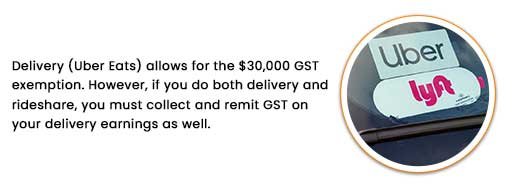
Which Tax Forms Uber Drivers Need to File
Most Uber drivers in Edmonton will need:
- T1 personal income tax return,
- T2125 for business income,
- GST/HST return if registered.
Your net income after expenses is what is taxed, so accurate expense tracking matters just as much as income reporting.
What Happens If You Missed Uber Income in Past Years
If you forgot to report Uber income in a prior year, the best time to fix it is before CRA contacts you.
You may need to:
- file adjustments for prior years,
- reconstruct income from Uber statements,
- review expenses and mileage,
- consider voluntary disclosure if multiple years are missing.
Fixing it early can reduce stress, penalties and interest.
Do Uber Drivers Need to Register a Business in Alberta
Most Uber drivers do not need a separate formal business registration just to report self-employment income. For tax purposes, you are generally treated as a sole proprietor.
Depending on your situation, you may still need:
- a GST/HST account,
- a business number.
If you are unsure whether your setup is correct, it is worth reviewing before filing.
How CRA Verifies Uber Income
CRA can compare your return against third-party reporting, platform data and other available records. If your reported income does not match what the platform shows, it can trigger a review.
That is why it is important to keep:
- receipts,
- invoices,
- bank statements,
- credit card records,
- digital copies of documents.
Good records make your tax return much stronger and much easier to defend.
What Should Uber Drivers Avoid When Filing Taxes
As a tax accountant specializing in rideshare drivers, here are the most common mistakes I see:
- reporting net deposits instead of gross income,
- forgetting to claim Uber fees and commissions properly,
- using a mileage estimate instead of a real log,
- missing phone, cleaning, and parking expenses,
- assuming GST/HST does not apply,
- not fixing prior-year income.
These mistakes can cost drivers thousands of dollars over time.
Final Thoughts
Uber taxes in Edmonton are not hard, but they are easy to get wrong if you treat rideshare driving like a regular job. The difference between a properly filed return and a rushed one can be thousands of dollars in missed deductions, extra tax, or unnecessary stress.
If you stay organized, track your mileage properly, keep your receipts and report income the right way, you can stay compliant and keep more of what you earn.
Need help with your Uber taxes in Edmonton? We can review your income, mileage, expenses, GST/HST and prior-year filings so your return is done properly the first time.