
Trusted Tax Experts for Rideshare and Delivery Drivers in Manitoba
Uber And Lyft Tax Accountants for Winnipeg and Manitoba Drivers
If you drive for Uber and Lyft in Winnipeg, Brandon, Thompson, Portage la Prairie, or anywhere across Manitoba, the Canada Revenue Agency classifies your rideshare earnings as self-employment income from the moment you accept your first trip. You are operating as an independent business and are responsible for tracking your mileage, reporting net income on Form T2125 and meeting all GST obligations.
Our expert tax filing team specializes in Manitoba’s gig economy, ensuring your rideshare return is filed with precision to capture every legal deduction while maintaining 100% compliance with CRA’s latest digital data-matching systems.

Call/ text: 647 243 2884
Expert Uber Tax Filing with T2125 in Manitoba
We prepare your T1 personal tax return along with Form T2125, ensuring your rideshare income is reported accurately and in line with CRA expectations. We also make sure eligible expenses are properly categorized and documented, including:
- Fuel, gas, repairs and maintenance
- Lease payments, loan interest and capital cost allowance (CCA)
- Mobile data, dashcams and delivery equipment
- Parking, tolls and detailed mileage tracking
- Uber and Lyft fees, cleaning and accounting costs
We also support you throughout the year with mileage tracking methods and expense organization, so nothing is overlooked at tax time.
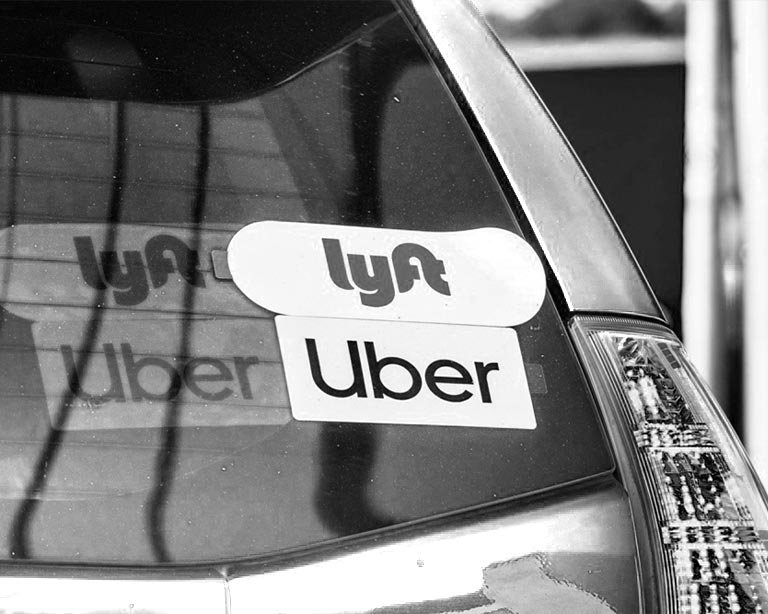
GST Registration and Filing for Uber and Lyft Drivers
Manitoba operates under the GST (Goods and Services Tax) system at 5%, not HST. Rideshare drivers in Manitoba must collect and remit this tax from their very first dollar earned because the CRA classifies rideshare as a taxi service. The $30,000 Small Supplier threshold does not apply to you. We help by:
Mandatory GST Account Setup
Complete CRA GST registration setup to ensure compliance from day one.
Quarterly or Annual Return Filing
Determine optimal filing frequency and file your GST returns on time.
Input Tax Credits Optimization
Recover GST paid on gas, maintenance, and repairs to reduce liability.
Voluntary Disclosures Support
Resolve unregistered driver issues and back-file to ensure full compliance.
“The CRA receives income data directly from Uber, so failing to register can lead to reporting mismatches and potential penalties”
CRA‑Compliant Uber Tax Return Filing with Maximum Deduction Support
Rideshare and delivery returns in Manitoba are frequently scrutinized by the CRA. We prevent these common audit triggers before they start.
Failing GST Registration
Ensure you are registered correctly and filing on time to avoid penalties.
Incorrect Mileage Claims
Help establish accurate logbooks and apply the correct business-use percentage.
Underreported Income
Reconcile Uber and Lyft summaries with your tax return to ensure full reporting.
Missing Tax Records
Organize and structure your records so they are complete and audit-ready.
“If you don’t have all your receipts for your Uber expenses, you’re not alone. Many drivers forget to track costs during the winter months. We organize your digital records, reconstruct missing expense categories using app history and ensure your claims are compliant, accurate, and defensible in case of a CRA review”
Delivery Drivers (Uber Eats, DoorDash, Skip, Instacart) Tax Returns Fully Supported
If you also deliver with Uber Eats, DoorDash, or SkipTheDishes, your rideshare and delivery income income must be combined and reported correctly. We combine these streams on your T2125 to maximize deductions and reduce your overall self-employment tax burden.
This reduces errors and helps you keep more of your income.
Why Canadian Drivers Choose Our Uber Tax Services
Rideshare tax expertise
CRA audit-ready filings
GST compliance support
Multi-Platform Consolidation
Gig-Specific Fee Structure
Virtual Service Nationwide
FAQs
File as soon as possible. Every year unfiled adds another late-filing penalty (5% of the balance owing plus 1% per month for up to 12 months, doubling for repeat late filers).
Yes. The “Small Supplier” exemption of $30,000 does not apply to rideshare drivers. You must register for a GST number and charge 5% tax from your very first ride.
As a self-employed contractor, you must use the actual expense method (tracking gas, insurance, repairs) rather than the simplified employee rate. This requires a mileage log to determine your business-use percentage.
No. Both are considered self-employment income. They are combined on your T2125. However, the GST rule for delivery only drivers is different (the $30k threshold applies), but if you do both, the mandatory rideshare rule overrides it.
Yes. Winter tires are a legitimate safety and maintenance expense in Manitoba’s climate. They can be deducted under vehicle repairs and maintenance, provided the vehicle is used for business.
No. Meals are only deductible if you are travelling away from your municipality for work. Regular meals eaten during a shift in Winnipeg are considered personal expenses.
Yes. As a sole proprietor, you are responsible for both the employee and employer portions of Canada Pension Plan (CPP) contributions on your net self-employment income.
If you have taxes owing, you must pay by April 30, even though you have until June 15 to file your Uber (self‑employed) return.
Incorporation can be beneficial if you earn significantly more than you need to live on, allowing for tax deferral. However, for most drivers, a Sole Proprietorship is simpler and more cost-effective initially.

Need Help with Uber & Lyft Taxes in Manitoba?
Book a free consultation to go over your rideshare income, GST obligations, and every deduction that applies to your situation. Fully virtual, no in-person appointment needed.
Serving Winnipeg, Brandon, Steinbach, Thompson, Portage la Prairie, and all Manitoba cities with affordable tax services for Uber & Lyft drivers.

We provide year-round bookkeeping, tax and accounting support as online accountants for startups, growing businesses, contractors and self-employed professionals across Canada.
Contact
- 647-243-2884
- info@instaccountant.com
- 40 Wynford drive, Toronto, ON, Canada.