Menu
Instaccountant – Your Online Accountants

Delivery drivers trust us with their taxes, do you have any question in mind?
Call/ text: 647 243 2884
Canada Delivery Driver Tax Specialists
Hey, delivery drivers! Let’s get real about taxes it’s a must-do, but with the right support, it can be painless.
With over 7 years of experience and thousands of successful returns filed specifically for courier and food delivery drivers, our team at Instaccountant specializes in the unique tax needs of self employed individuals like you. From reporting income accurately to maximizing your eligible deductions on expenses like fuel, maintenance, mileage, and mobile usage, we get the job done so you can keep more of what you earn.
Who Qualifies as a Taxable Delivery Driver in Canada?
Whether you’re delivering for UberEats, DoorDash, Amazon, or your local courier or food delivery service, you’re more than just a driver—you’re a business owner. You’ve got unique tax responsibilities, especially when filing as self employed (or an independent contractor). Our team works with thousands of courier and food delivery drivers to help you understand what you need to track, claim, and report to stay compliant with CRA requirements. No matter the platform UberEats, Instacart, or others, we’re here to handle the tax side so you can focus on your deliveries.
How Delivery Driver Taxes Work in Canada
As a self-employed UberEats or food delivery driver in Canada, you’re required to report your income and expenses on your personal tax return each year. The Canada Revenue Agency (CRA) considers your courier or food delivery earnings as business income, which means they are fully taxable and must be included on your T1 tax return using Form T2125.
Every fare, tip, and incentive you earn counts toward your total taxable income. To reduce your tax burden and stay compliant, it’s essential to maintain accurate bookkeeping and detailed records of your expenses. Here are some of the most common deductible expenses for UberEats and delivery drivers:
Fuel and maintenance: Track all gas, oil changes, car washes, and repair costs related to your delivery business.
Insurance: Deduct the business-use portion of your vehicle insurance premium.
Vehicle expenses: Claim the business-use percentage of costs such as depreciation (capital cost allowance), loan interest, and lease payments.
Bike or e-bike expenses: If you deliver using a bicycle or e-bike, you can deduct related costs such as equipment, maintenance, batteries, and accessories.
Other business expenses: Include cell phone bills, delivery bags, accounting or online tax filing fees, and other work-related costs.
Keeping organized digital records helps you maximize tax deductions and avoid CRA issues. Our online tax accountants for UberEats delivery drivers make it easy to file your taxes, claim every eligible expense, and ensure full CRA compliance for 2025.

Filing Your Delivery Driver Income Tax Return in Canada
Filing your income tax return as a delivery driver is more than just submitting your T4A slips or business expenses. Our team carefully reviews your total income, from delivery fees to tips, and optimizes your deductions, so you pay only what’s required and nothing extra. As independent contractor or self-employed, delivery drivers can claim a variety of business-related expenses, so we ensure each one is recorded and documented to reduce your taxable income effectively.
Why Us?
Instaccountant is known as Delivery drivers tax experts.
With over 7 years of experience working with thousands of courier drivers and food delivery drivers in Canada, we understand the unique tax challenges you face. From accurately reporting income to handling GST/HST obligations and maximizing tax deductions specific to delivery services, our expertise ensures you receive tailored advice for your situation. Let us help you navigate the tax filing process smoothly, so you can stay compliant with CRA requirements and focus on your deliveries.
Delivery driver tax problems and issues
Here are some common tax issues delivery drivers face that can lead to audits or penalties—definitely things to avoid! Partnering with an expert accountant who understands delivery driver taxes can help you sidestep these issues so you can stay focused on earning.
1. Incorrect Income Reporting
Misreporting income is one of the biggest tax challenges for delivery drivers. With income coming in from various delivery apps, it’s easy to miss a few sources, like bonuses, tips, or earnings from secondary apps.
Why This Happens:
- Understanding App Summaries: Tax summaries provided by apps can be confusing, and it’s sometimes unclear what should be reported.
- Multiple Income Streams: When working with multiple platforms like Uber Eats, DoorDash, Instacart, and SkipTheDishes, it can be tricky to track all earnings.
- Organization Challenges: Without a clear system for recording income, it’s easy to overlook smaller payments.
Consequences:
- Audits: Income discrepancies can raise red flags with the CRA, potentially leading to an audit.
- Penalties: Underreporting income can result in costly penalties.
- Lost Deductions: Misreported income can also mean lost deductions, increasing your tax bill.
What You Can Do:
- Record Income Accurately: Make sure you report the exact amounts from each platform.
- Track Weekly: Set aside a few minutes weekly to organize your income.
- Use Apps: Consider tools like Zoombooks, which can help consolidate and track income from multiple sources.
2. Poor Record-Keeping
Keeping accurate records of your business expenses is essential but often a challenge for delivery drivers.
Why This Happens:
- Overwhelm with Details: Tracking each expense while managing a busy schedule can feel daunting.
- Disorganization: Without a clear system, receipts and records can easily get lost.
Consequences:
- Missed Deductions: Not claiming eligible expenses means overpaying on taxes.
- Filing Errors: Incomplete records can lead to mistakes, which may draw CRA attention.
- Stress: Last-minute scrambling to pull together records adds stress to tax season.
What You Can Do:
- Use Expense Tracking Apps: Tools like Zoombooks are designed for drivers, helping you keep receipts and records organized.
- Save Receipts: Keep physical or digital copies of all receipts for expenses.
- Organize by Category: Categorize expenses throughout the year to make filing easier.
3. Not Understanding Deductible Expenses
Understanding which expenses qualify as tax-deductible is crucial to avoid overpaying.
Why This Happens:
- Lack of Information: Many drivers aren’t sure what qualifies as a deductible.
- Forgetting Small Expenses: Smaller items, like parking or tolls, often go unclaimed.
Consequences:
- Higher Taxes: Missing deductions can result in higher taxes.
- Cash Flow Strain: Overpaying can limit your finances and reduce take-home earnings.
What You Can Do:
- Educate Yourself on Deductions: Common deductions include:
- Fuel and maintenance costs
- Insurance and depreciation
- Cell phone expenses
- Consult a Tax Pro: An accountant experienced with delivery driver taxes can help identify and maximize deductions.
A lot of our team members, including the founder have worked as incorporated contractors (consultants) for small to large sized organizations in the field of accounting, tax, and management consulting. This exposure makes us better understand the problems faced and the expectations you would have from your accountant as a self-employed.
4. Missed Tax Deadlines
With a hectic schedule, it’s easy to forget tax deadlines. But late filings can be costly.
Why This Happens:
- Busy Lifestyle: Managing deliveries and personal commitments can make it hard to keep track of tax dates.
- Procrastination: It’s easy to delay filing, which can result in rushing to meet deadlines.
Consequences:
- Penalties: Missing deadlines can result in CRA fines.
- Added Stress: Rushing to file on time increases stress and can lead to errors.
What You Can Do:
- Set Reminders: Use calendar apps to set tax deadline reminders.
- Prepare Early: Start gathering records well before the deadline to avoid last-minute stress.
5. Neglecting to Track Mileage Accurately
Mileage is a significant deductible for delivery drivers, yet many overlook it.
Why This Happens:
- Underestimating Value: Some drivers don’t realize how much mileage can add up.
- Inconsistent Tracking: Without a system, mileage often goes unrecorded.
Consequences:
- Missed Deductions: Untracked mileage means missing out on substantial deductions.
- Higher Taxes: Without these deductions, your taxable income—and tax bill—could be much higher.
- Tax Season Stress: Trying to reconstruct mileage last minute is challenging and often inaccurate.
What You Can Do:
- Use Mileage Apps: Apps specifically for mileage tracking can simplify the process.
- Maintain a Manual Log: Keep a log in your vehicle to track dates, destinations, and purposes.
- Regular Reviews: Review mileage logs weekly to ensure you’re capturing every trip.
6. Not Deducting Bike, E-Bike, or Cycle Expenses
Using a bike, e-bike, or cycle as a delivery driver can save on fuel and maintenance costs, but many drivers overlook these as deductible business expenses on their tax returns.
Why This Happens:
- Limited Knowledge: The CRA allows deductions for business expenses on bikes and e-bikes, but these are often missed as they’re non-traditional vehicles.
- Tracking Mileage: Without odometers, cyclists find it harder to track mileage and business-use percentage.
- Repairs and Maintenance: Bike repairs, tune-ups, and safety gear are deductible, yet many drivers overlook them.
Consequences:
- Higher Tax Liability: Skipping these deductions means paying more in taxes than necessary.
- Unclaimed Business Costs: Delivery drivers who rely on cycles for work may find themselves covering all maintenance, gear, and repairs out-of-pocket.
What You Can Do:
- Track Business-Only Trips: Maintain a record of deliveries made by bike, noting date, mileage, and route if possible.
- Record Safety and Gear Expenses: Track costs for items like helmets, lights, and other safety gear required for your deliveries.
- Use a Tracking App: Use a app like Zoombooks to help categorize these expenses for maximum deductions.
FAQ
Most frequent questions and answers
Yes. All tips and gratuities earned as an UberEats or delivery driver are considered taxable income by the Canada Revenue Agency (CRA). You must include them when reporting your total self-employment income on your tax return.
Yes, if your annual delivery income exceeds $30,000, CRA requires you to register for GST/HST. Even if you earn less, voluntary registration can allow you to claim input tax credits (ITCs) on fuel, maintenance, and other expenses. Our online tax accountants can guide you through the registration and filing process.
Absolutely. You can claim the business-use percentage of your fuel, repairs, insurance, lease payments, and even depreciation as deductible vehicle expenses. Keeping accurate mileage and expense records ensures you claim the maximum deduction allowed by CRA.
Filing errors or missed income can result in CRA reassessments, penalties, and even tax audits. Working with an experienced tax accountant for UberEats and delivery drivers ensures your taxes are filed correctly, on time, and fully compliant with CRA standards.
The cost of hiring a tax accountant in Canada typically ranges from $150 to $500+ depending on complexity. Self-employed delivery drivers usually pay more than basic employees because business income and expenses must be reported properly.
Delivery drivers in Canada must report their income as self-employed using Form T2125 when filing with the Canada Revenue Agency. You must include all earnings, tips, and claim eligible business expenses like mileage and phone costs.
An Uber driver in Canada pays regular income tax plus CPP contributions on net profit. The exact amount depends on total income, province, and deductions claimed. Higher expenses mean lower taxable income.

App for self-employed delivery drivers
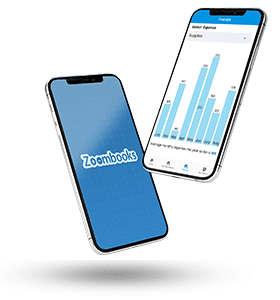
Zoombooks is an expense tracking app for Ubereats, Doordash, or other delivery drivers. It helps drivers save tax and stay on top of financials.
Zoombooks is “built by accountants for self-employed”.
- saving receipts
- tracking expenses
- recording income
- know your finances (profit and loss)
- user friendly and handy – super easy!
Download Zoombooks, its free!